
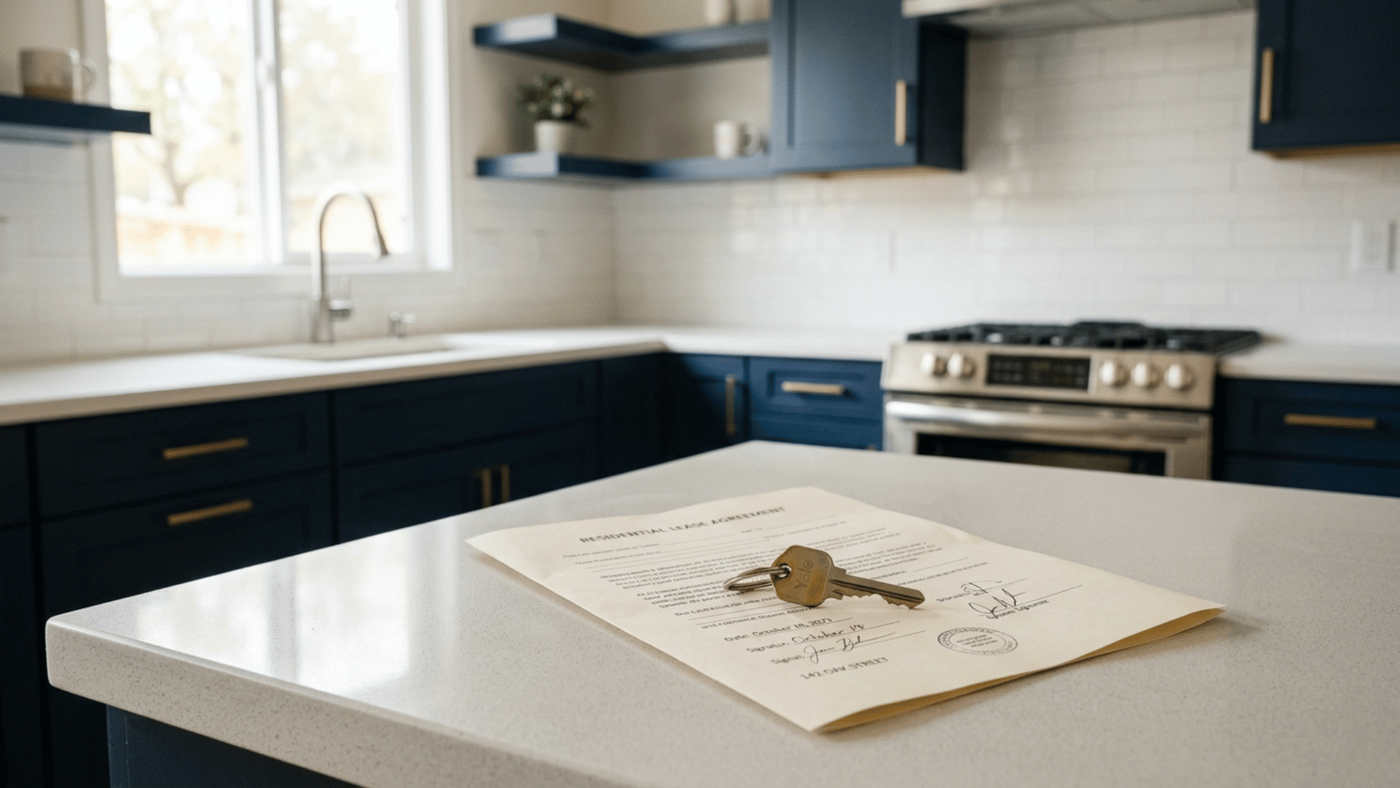
The best turnkey real estate investment service does three things without exception: it delivers a property that has actually been renovated to a rentable standard, places a qualified tenant at or near closing, and stays on to manage the asset afterward. Anything short of that combination is not a turnkey service, it is a renovated house with a marketing label attached. The distinction matters because the word "turnkey" gets applied loosely across the industry, from agents describing a home with new countertops to full investment companies handling acquisition, rehab, leasing, and management under one roof. Investors who confuse the two end up owning a property that looks finished but comes with none of the support a real turnkey arrangement is supposed to provide.
Turnkey investing has grown because it removes the two biggest barriers facing new investors: renovation risk and distance. A buyer based in one state can own a rental in another without swinging a hammer or vetting a contractor personally, because the provider has already handled both. Nearly a third of active real estate investors today entered the market within the last few years, and most of them are drawn by exactly this promise, passive ownership without the hands-on grind of a traditional flip. That growth has also pulled in providers who lean harder on the label than the substance behind it.
What "Turnkey" Actually Has to Include
A property being turnkey is not the same as a property looking finished in listing photos. Fresh paint and new fixtures cover a lot visually, but they say nothing about the condition of the roof, the HVAC system, the plumbing behind the walls, or whether permits were actually pulled for the work done. A real turnkey service documents the scope of the renovation rather than just presenting the finished result, so an investor can verify what was genuinely replaced against what was simply painted over. That documentation is usually the fastest way to tell a legitimate provider from one selling appearance alone.
Management is the other half of what makes a service turnkey, and it is where most providers separate from the pack. A one-time renovation and sale is not turnkey, it is a retail transaction with better staging. The label only holds if the arrangement includes ongoing tenant screening, maintenance response, and lease administration once the keys change hands. Investors buying out of state rely entirely on that follow-through, since they cannot drive over and check the work themselves.
Where Property Preservation Fits Into Turnkey Investing
Most turnkey inventory does not start as a voluntary renovation, it starts as a distressed or lender-owned property working through foreclosure. REO homes typically carry deferred maintenance, from a leaking roof to systems that failed sitting vacant, and the rehab phase is where that gets fixed properly or quietly covered up. Preservation work done before a property is marketed as turnkey is what determines whether it holds up once a tenant moves in.
A turnkey service is only as strong as the maintenance behind it, set before the photos are taken.