
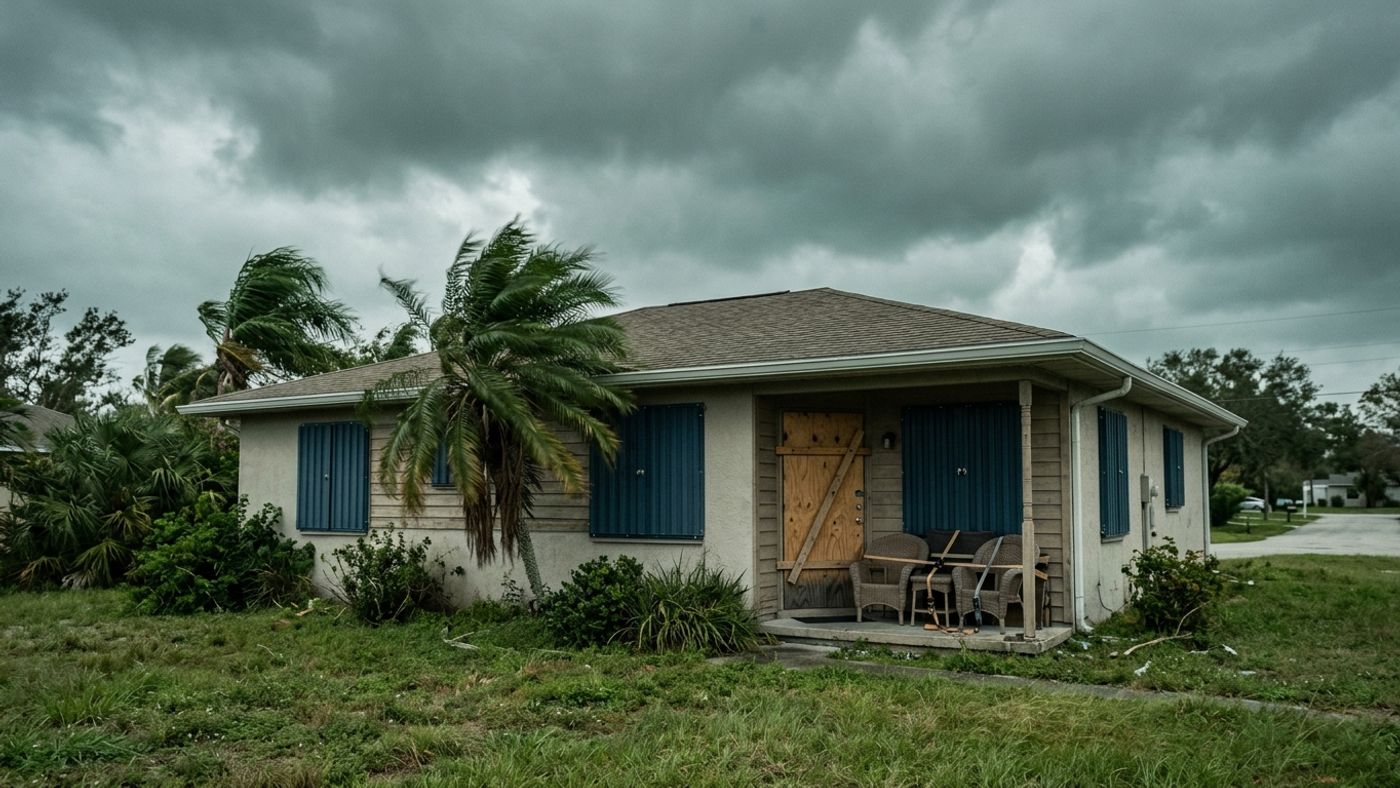
More than 3.4 million homes in Florida carry elevated combined wind and storm surge risk this hurricane season, according to catastrophe modeling firm Guidewire Hazard Hub, with over 1 million homes in Louisiana and more than 800,000 in Texas also flagged among the highest exposure properties nationally. The analysis places the bulk of that risk squarely along the Gulf Coast and Southeast, the same footprint where a large share of the country's REO and vacant property inventory sits.
The National Oceanic and Atmospheric Administration's outlook for the 2026 Atlantic season calls for a below average number of named storms, and Colorado State University's Tropical Meteorology Project has forecast 13 named storms with six reaching hurricane strength. Risk modelers caution that a quieter season on paper does not translate to lower risk on the ground, since a single storm making landfall near a population center can still produce catastrophic losses. Separate research from Cotality found more than $405 billion worth of residential property sitting in areas where flood insurance is not federally required, despite carrying real exposure to hurricane driven flooding.
Why Flood Zone Maps Don't Tell the Whole Story
Traditional 100 year floodplain maps only capture part of the risk picture, and a growing share of storm surge and rainfall flooding now occurs outside those designated zones. That gap matters most for properties without an active owner monitoring conditions day to day, since flood and wind damage on a vacant or bank owned home can go unnoticed for days or weeks after a storm passes.
For lenders and asset managers, that delays compounds quickly. A property with unrepaired roof damage or a compromised vapor barrier after a storm is exposed to secondary damage, mold growth and further deterioration well before the next scheduled inspection catches it. Properties moving through foreclosure or sitting in REO status carry that risk longer than owner occupied homes, since there is no resident on site to flag the first signs of trouble. Insurance claims tied to storm damage also move faster and settle cleaner when documentation exists from before and after the event, which is harder to produce once weeks have passed and a property has already been exposed to further weather.
Storm Season Readiness for REO and Vacant Property Portfolios
Property maintenance work built around hurricane season means pre-storm securing, post-storm inspection turnaround measured in days rather than weeks, and documentation that holds up for insurance and investor reporting. East West Maintenance coordinates that work across its Southeast footprint, pairing local vendor networks with inspection scheduling built around storm tracking rather than a fixed monthly cadence.
With hurricane season running through November and exposure concentrated in exactly the markets carrying the heaviest REO inventory, the properties most likely to sit unmonitored this year are also the ones facing the highest storm risk. A portfolio manager who knows which properties have been secured before landfall, and which have already been reinspected after, starts the recovery process days ahead of one relying on a routine monthly check-in schedule.