
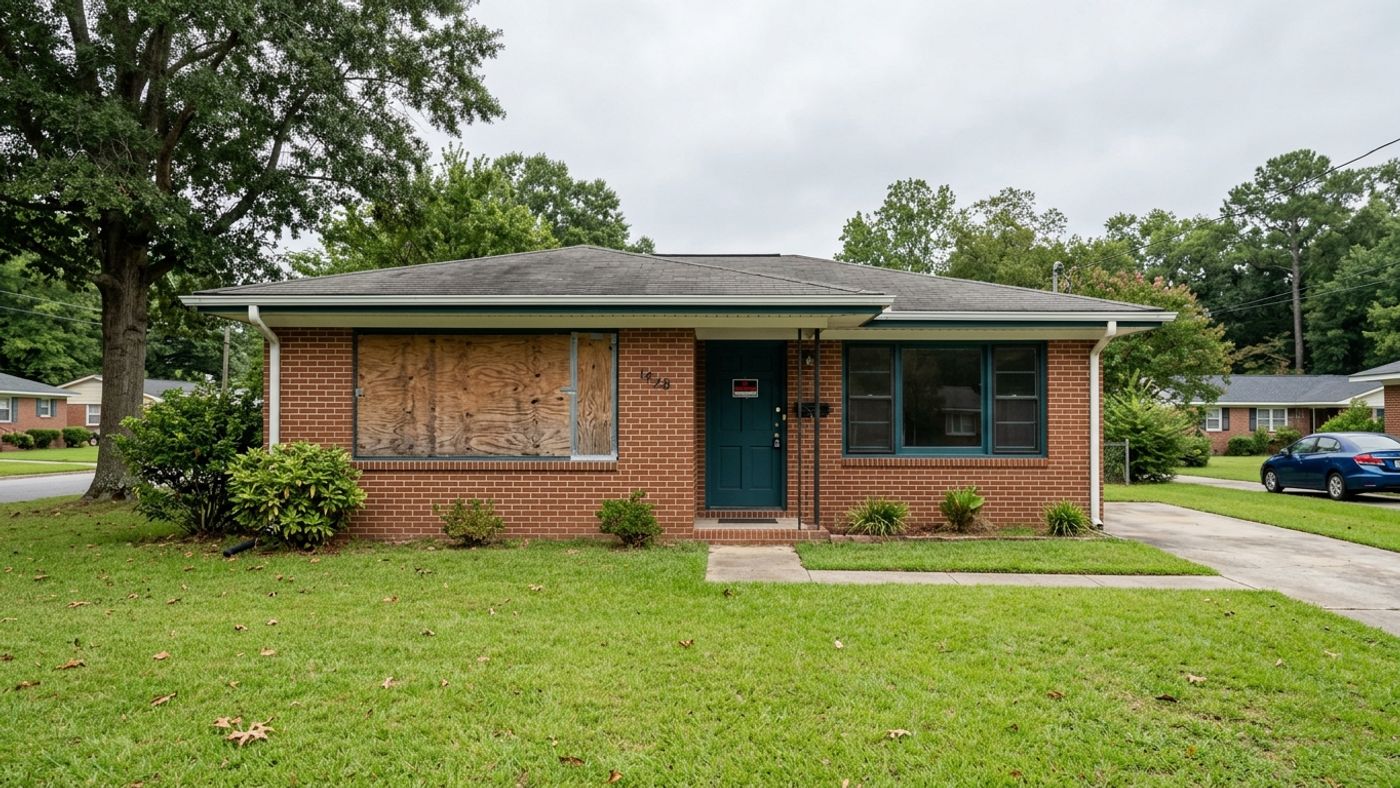
The City of Columbia, South Carolina requires vacant buildings to register with its Code Enforcement Division within 120 days of becoming vacant, under an ordinance that has been in effect since October 15, 2019. For anyone overseeing vacant property maintenance in South Carolina, that clock starts the moment a property meets the city's definition of vacant, not when an owner gets around to filing paperwork.
Registration requires a simple one page vacant building plan covering how the property will be inspected, how any public nuisance will be addressed, and how it will be secured and maintained going forward. Owners aren't required to carry insurance on a registered vacant building, though the city recommends it. Certain properties are exempt from registration altogether, including buildings actively listed for sale or lease through a licensed real estate company, and accessory structures not designed for occupancy.
What Owners and Servicers Actually Have to Do
For REO servicers and asset managers holding Columbia inventory, the practical effect is a separate 120 day clock running on every parcel that goes vacant, independent of the closing timeline or listing status. Missing the registration window is itself a violation, on top of whatever underlying nuisance condition drew attention to the property in the first place. Even a second home where the owner is away for extended stretches, for work, military service, or medical reasons, requires a courtesy registration under the ordinance.
Fees apply to registered vacant buildings, though the city offers exemptions in specific cases, including a temporary fee waiver for properties damaged by fire. None of this exempts the property from Columbia's other maintenance and nuisance ordinances. Registration confirms the city knows a building is vacant. It doesn't replace the underlying obligation to keep it secured, free of accumulated debris, and free of the kind of visible neglect that draws a code enforcement complaint on its own.
A Compliance Model Built on Documentation
Columbia's ordinance reflects a broader shift among municipalities toward tracking vacant property formally rather than relying only on neighbor complaints to flag a problem. That shift raises the administrative bar for anyone holding vacant inventory in the city, since a lapsed registration is now a separate, trackable violation alongside any physical condition on the property. Staying ahead of both means treating the paperwork and the physical upkeep, mowing, securing entry points, addressing visible exterior damage, as two parts of the same obligation rather than separate tasks.
A registered vacant building that still looks neglected solves the city's paperwork problem, not its actual one. The properties that avoid a second citation are the ones where registration and maintenance happen together. For a servicer managing several parcels across the city at once, that means treating the 120 day filing deadline and the maintenance schedule as the same calendar rather than two separate systems that happen to track the same properties. A missed mowing cycle or an unsecured door draws the same kind of attention a missed registration deadline does, and either one can turn a quiet vacant property into an active code enforcement case.