
The National Flood Insurance Program is authorized only through December 11, 2026. If Congress lets it lapse, FEMA cannot issue new flood policies, and buyers who need flood insurance to close on a home in a high risk flood zone can be stuck until the program is restored. For vacant and bank owned homes, that means longer stretches empty, more weeks of exposure to wet weather, and a maintenance plan that has to hold up the whole time.
The program has run on short term fixes for years. Congress has passed 36 short term extensions since the end of fiscal year 2017, and the program has lapsed twice since October 2025: for about six weeks during the fall 2025 federal shutdown and for about three days in February 2026. The NFIP covers close to 4.5 million policies and almost $1.3 trillion in coverage, so a gap touches a lot of real estate.
What Happens If the NFIP Lapses on December 11?
A lapse does not cancel flood policies already in force. It removes FEMA’s authority to issue new contracts, and in past lapses new policies were not sold and renewals could not be processed until Congress acted. The program’s Treasury borrowing limit also drops from about $30.4 billion to $1 billion, which could delay claim payments if funds run short.
The bigger effect is on sales. Federally regulated lenders generally must require flood insurance on mortgages for homes in Special Flood Hazard Areas, the zones with a 1 percent or greater annual flood risk. In earlier lapses, borrowers could not get the coverage needed to close, renew or increase those loans until reauthorization. During the June 2010 lapse, estimates put canceled or delayed closings above 1,400 a day. Congress has usually reauthorized the program retroactively, so a lapse tends to be temporary, but it still adds weeks to a sale.
Why Does a Flood Insurance Lapse Matter for Vacant and REO Homes?
A home that cannot close stays vacant, and a vacant home is harder to protect each week it sits. Nobody is there to notice a wet crawl space, a clogged downspout or a stain spreading on a ceiling. Standard homeowners policies also change once a home sits empty, which is covered in our guide to the 60 day vacancy clause.
Three points matter most for asset managers:
- Flood damage is usually not covered by a homeowners policy. Flood coverage is a separate policy, and a new NFIP policy generally takes effect 30 days after purchase. The main exception is a policy bought with a new, increased, extended or renewed mortgage loan, which has no waiting period.
- Risk is not limited to mapped flood zones. FEMA reports that 25 to 30 percent of flood claims paid by the NFIP are for properties outside high risk areas.
- Coverage limits are modest. A single family building is covered up to $250,000, which may not match the value of every property in a portfolio.
Wet weather adds to the case for acting now. NOAA’s 2026 to 2027 winter outlook favors wetter than average conditions across the South and East Coast from December through February.
What Should Vacant Property Owners Do Before December 11?
A short checklist keeps a vacant portfolio ready whether or not Congress acts on time:
- List every vacant or REO home in a mapped flood zone and record the flood policy type, the carrier and the renewal date. Ask the agent to confirm each date, because a renewal that falls during a lapse may not be processed.
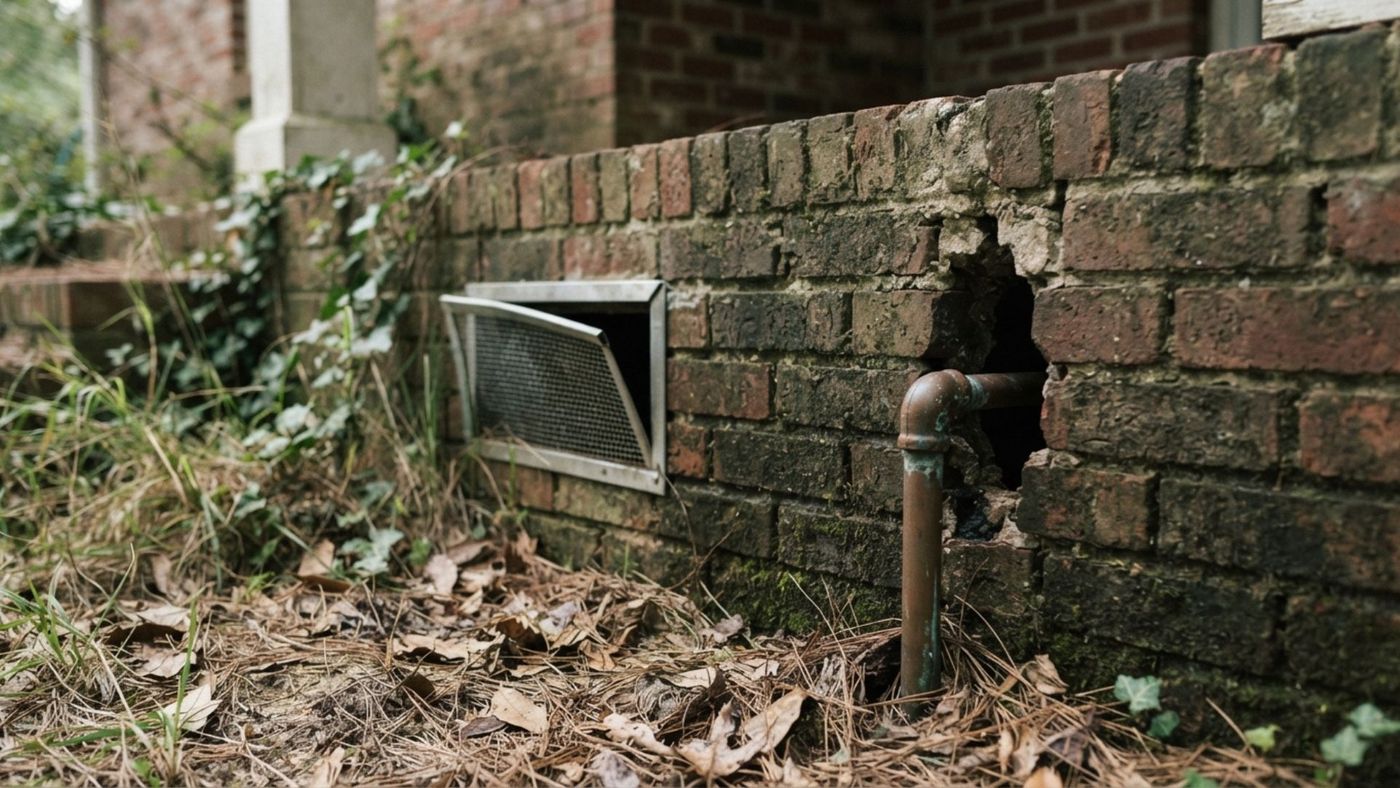
- Walk the drainage on every property. Check gutters, downspout extensions, grading that slopes toward the house, sump pumps and discharge lines, and crawl space vents.
- Take dated photos of the exterior and interior before the wet season. A clean record of condition before a loss makes any later claim easier to support.
- Set a rain trigger. After heavy rain, send someone inside, not just a drive by.
- Dry fast after any water event. EPA guidance calls for drying water damaged materials within 24 to 48 hours, and if that is not possible, mold growth should be assumed. On a vacant home, the first visit after a storm is often the deciding one.
- Keep the inspection cadence steady. A regular schedule is what catches slow leaks. Our guide to inspection frequency explains how to set it.
What Does This Mean for North Carolina, South Carolina and Florida?
All three states have coastal, tidal and river flood exposure, and some vacant homes in each state sit in or near mapped zones. A buyer’s lender will ask about flood coverage before closing, so a gap in the NFIP can push back a closing even on a home that is otherwise ready. That keeps the house in the maintenance budget longer. Planning for a delayed closing, rather than hoping for a quick one, is the safer position.
East West Maintenance coordinates inspections, routine maintenance, gutter and drainage work, drywall and flooring repair and dated photo reports for vacant and bank owned homes across North Carolina, South Carolina and Florida.