
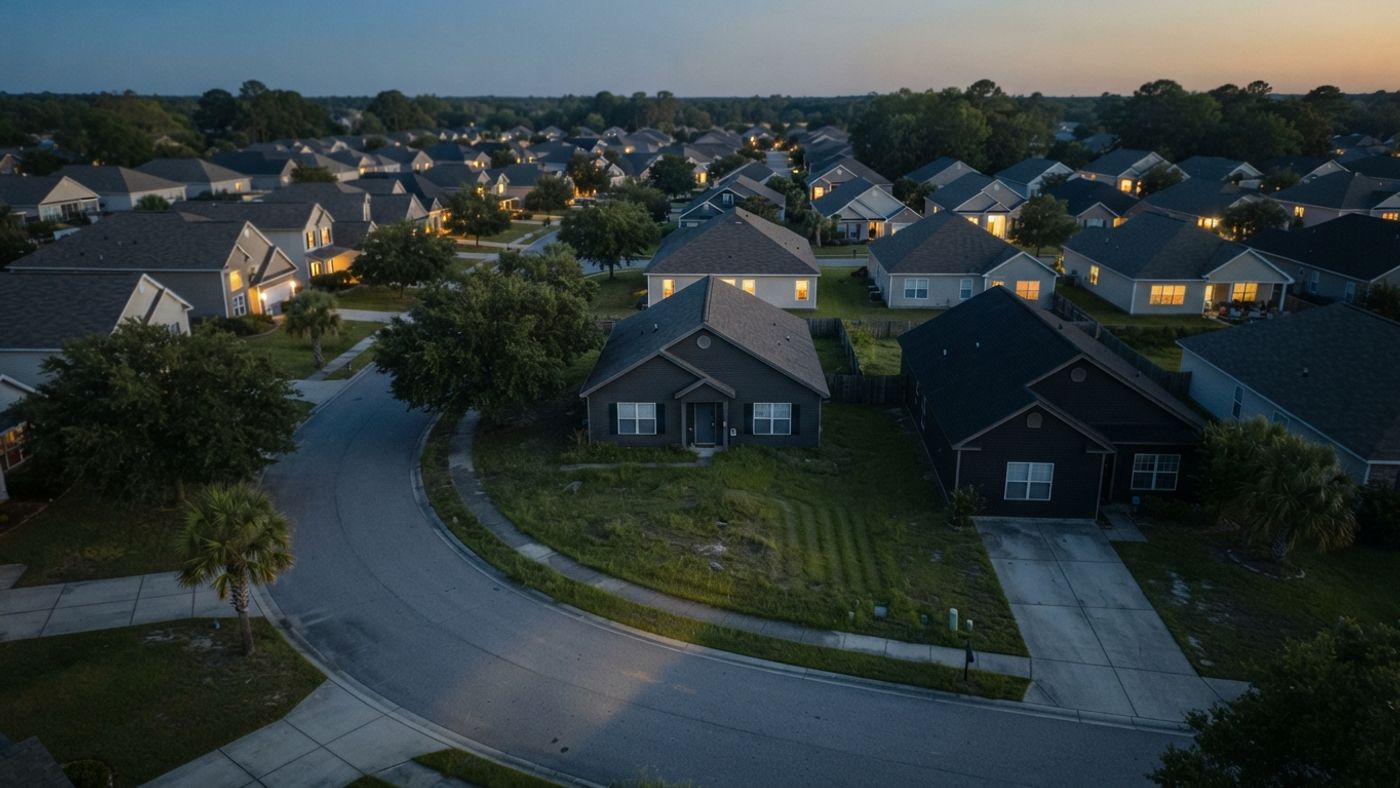
Active foreclosure inventory in the U.S. rose 37% from a year earlier in September 2026, its highest level since early 2019, according to ICE’s First Look report released October 27. Completed foreclosure sales rose 15%, while foreclosure starts slipped 3% year over year, so loans already in the pipeline are reaching the end of it. Each completed sale can leave a lender holding a vacant house, which is why the number matters to anyone responsible for REO property maintenance in North Carolina, South Carolina and Florida.
The wider picture is more measured. The national delinquency rate was 3.66% in September, up 12 basis points and still 34 basis points below September 2019. Serious delinquencies, meaning loans 90 or more days past due, were 1.04% of mortgages, up 21% from a year earlier and down 5% from a February peak. Loans originated in 2022 or later made up 43% of foreclosure starts and 49% of completed foreclosure sales, and more than three-quarters of active foreclosures involved loans delinquent for less than 18 months.
Where Will the Extra Foreclosure Inventory Land in the Carolinas and Florida?
ICE’s national release does not break out states, but ATTOM’s foreclosure data shows where filings and repossessions concentrate. In August, South Carolina had the nation’s worst state foreclosure rate at one filing for every 1,547 housing units, Florida ranked third at one in 2,397, and North Carolina had the third highest REO count of any state at 356. Columbia, Punta Gorda, Spartanburg, Fayetteville and Charleston held the five worst metro rates. Over the first half of the year, Florida and South Carolina posted the highest state rates, and North Carolina’s foreclosure filings rose 47%. Those are the markets where a growing national pipeline is most likely to show up first.
What Happens to a Home When the Foreclosure Sale Completes?
If no outside buyer takes the house at the sale, it becomes REO and the lender is the owner. Vacancy is the usual result, and it carries risk. ATTOM’s third quarter report found 1.3% of U.S. residential properties vacant, but investor owned homes sat vacant at 3.5%. A vacant house has nobody to spot a leak, a broken lock or an overgrown yard, so those problems can sit for weeks before anyone sees them.
How Should Upkeep Plans Adjust When REO Volume Rises?
The standard does not change with volume, but the margin for delay shrinks. A newly bank owned home needs a confirmed vacancy check, every opening secured, dated photos of its condition and then regular visits. Fannie Mae’s Servicing Guide says that when monthly inspections are required, they must fall 20 to 35 days apart. Because rules and grass height limits differ from one city and county to the next, the practical work is lining up local vendors, scopes and photo report standards before orders arrive, not after a property has already gone late.
East West Maintenance coordinates inspections, securing, lawn care and winterization for property managers and asset holders with vacant homes across North Carolina, South Carolina and Florida.