
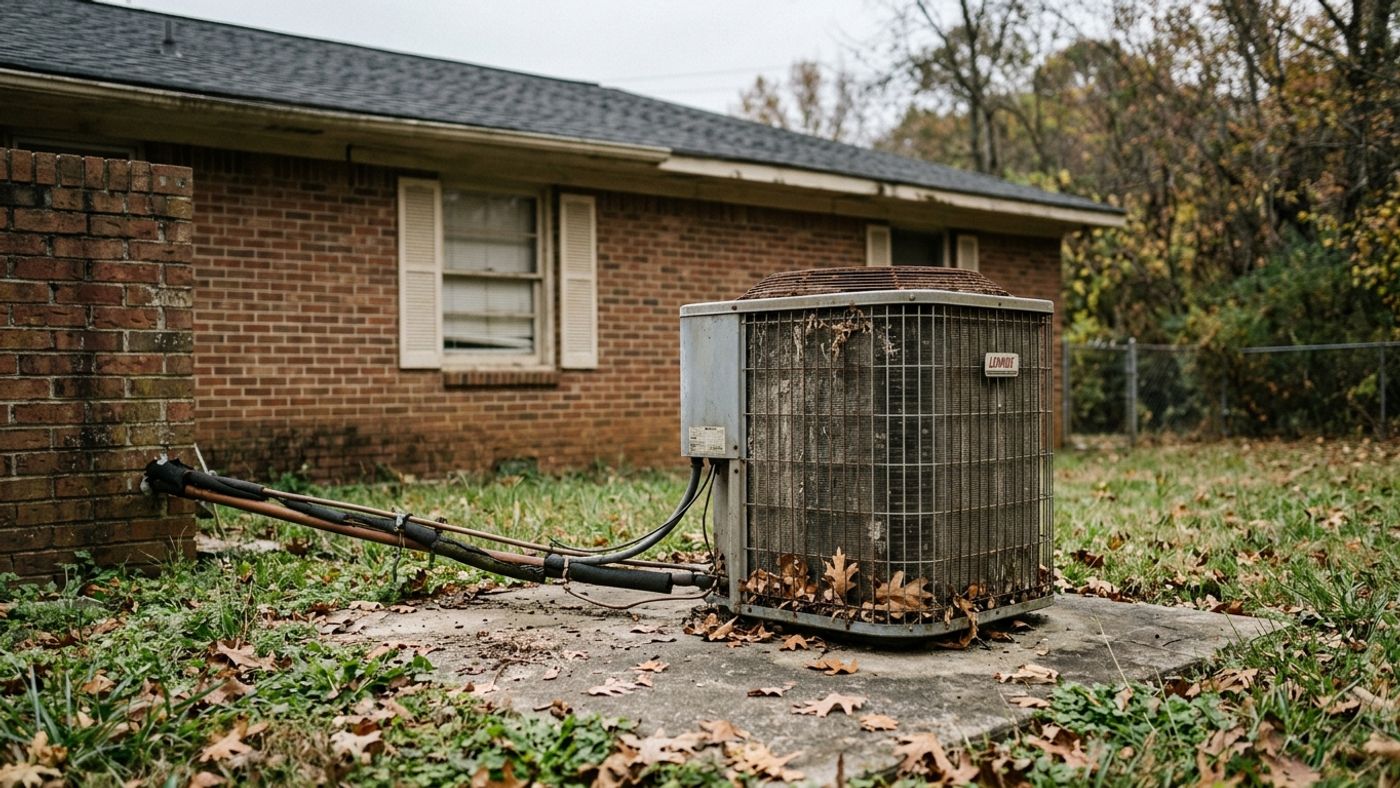
EPA no longer bars the installation of R-410A heating and cooling equipment in homes. A final rule that took effect on July 27, 2026 removed the January 1, 2026 installation deadline for residential and light commercial systems made or imported before January 1, 2025, so contractors can keep installing that equipment until existing stock runs out. For owners of vacant and REO homes in North Carolina, South Carolina and Florida, that turns repair or replace back into a cost decision instead of a compliance one. The catch is supply, because the refrigerant that keeps these systems running is still on a fixed phase down and trade groups expect prices to rise.
Is R-410A still legal to install in 2026?
Yes, with limits. EPA finalized changes to its 2023 Technology Transitions Rule on May 21, 2026, and the rule was published in the Federal Register on May 26. It lets contractors install split systems that use R-410A, as long as the equipment was manufactured or imported before January 1, 2025. Installation is allowed only until existing supplies of those units are used up, and no new complete R-410A systems are being manufactured, although manufacturers are still making components for service work. The change also settled a gray area, because EPA had said in late 2025 that it would not prioritize enforcing the January deadline while the rewrite was pending.
What the rule does not change
The phase down of hydrofluorocarbon refrigerants is untouched, and that is where the cost risk sits. R-410A production is scheduled to fall to 15% of current output by 2036, which means the gas used to service existing systems gets scarcer every year. The Air Conditioning Contractors of America (ACCA) welcomed the removal of the deadline but warned that the rule will likely raise refrigerant prices for all contractors, because looser limits elsewhere, mainly in commercial refrigeration, add demand to a capped supply. The distributors group HARDI cautioned that higher demand could bring future restrictions, and trade press reported in August that the revision drew both praise and legal challenges. State rules can also differ from the federal one, since New York kept the January 1, 2026 deadline in force.
Should you repair or replace an R-410A system on a vacant home?
There is no single answer, but four facts usually settle it. The first is the manufacture date on the data plate, because only equipment made before 2025 falls under the new installation allowance. The second is what failed: a capacitor, contactor, filter or clogged condensate line is a routine repair on any system, while a compressor failure or a refrigerant leak is where the decision turns, since every recharge draws on a shrinking supply. The third is the owner’s plan, because a home headed to sale in a few months justifies different spending than one held as a rental for years. The fourth is compatibility: new residential systems are moving to R-454B or R-32, and neither works as a drop in replacement in an existing R-410A system, so a refrigerant change means replacing equipment, not topping off.
What to log on every vacant home HVAC visit
Photograph the nameplate and record the model, serial number, manufacture date and refrigerant type against the property, so the next repair or replace conversation starts with facts. Run both heating and cooling through a cycle at each inspection, because problems tend to surface when an idle system is first asked to work. Check the filter, the condensate drain and the outdoor unit for debris or damage, and put anything that needs a vendor visit in the work order with a dated photo. That record also helps when an owner, buyer or insurer asks what condition the system was in.
East West Maintenance coordinates HVAC inspections and repairs through local vendors for property managers and asset holders with vacant homes across North Carolina, South Carolina and Florida.