
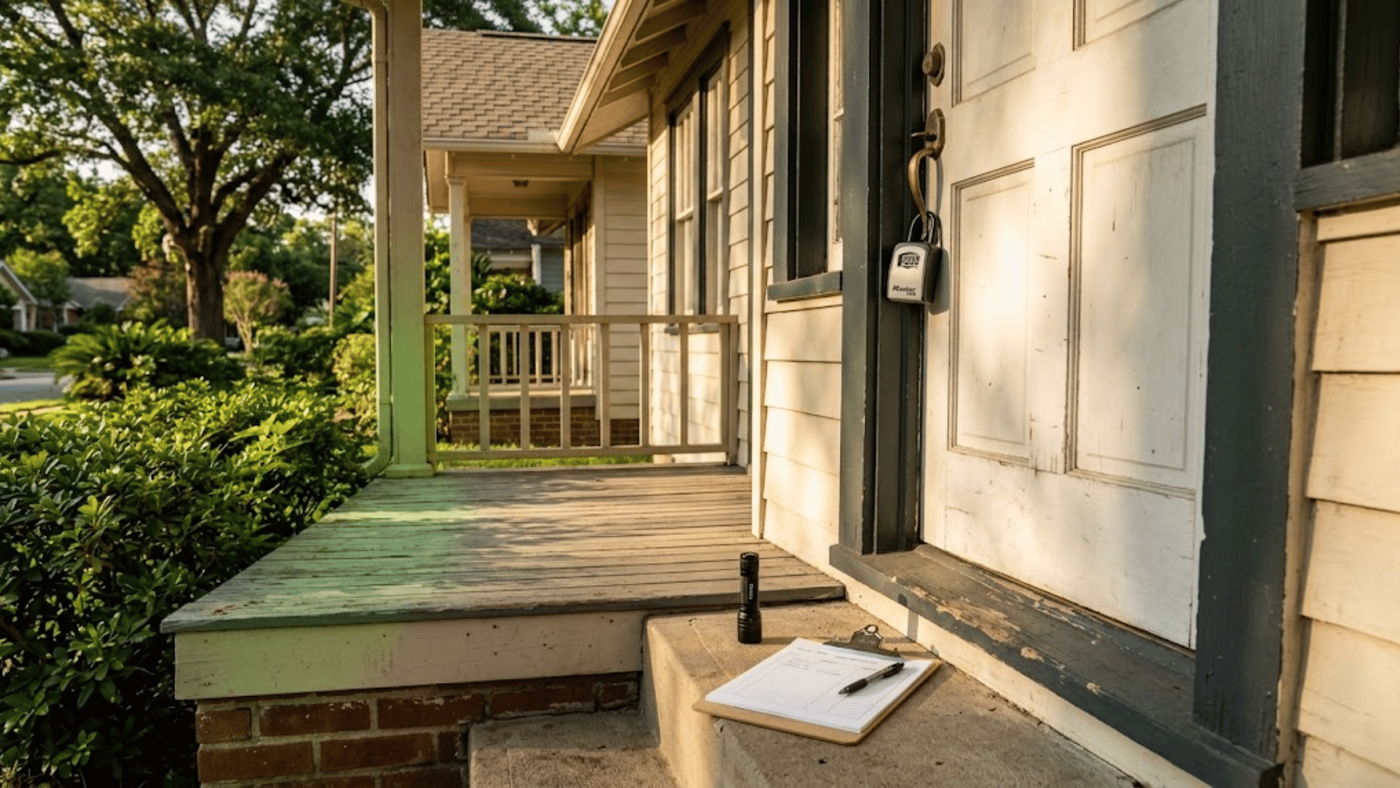
HUD's property preservation guidelines require vacant FHA insured properties to be winterized between October 1 and March 31, with the process including a complete draining of the plumbing and heating systems, not a thermostat turned down and a door locked. Fannie Mae's servicing guide holds servicers to a similar standard for conventional loans in default. Property winterization is a defined procedure with specific steps, and skipping part of it is one of the fastest ways a vacant property ends up with a burst pipe by spring.
The core of the process is straightforward on paper. Water is shut off at the main, the system is drained by opening every faucet and fixture, and non toxic antifreeze is added to toilet bowls, tanks, and any trap that could still hold standing water. Heating systems are drained in a manner that prevents freeze damage even where a full flush isn't practical, and utility accounts typically stay active in the responsible party's name until the property changes hands. In jurisdictions where local code requires heat to stay on, HUD's own standard sets a minimum indoor temperature of 55 degrees Fahrenheit rather than a full shutdown.
Why the Order of Operations Matters
Winterization has to happen in sequence, because skipping a step doesn't just leave the job half done, it can undercut the point of doing it at all. Draining the lines but leaving a toilet tank full defeats the purpose the same way securing the exterior but skipping the winterization notice does, since the next contractor or inspector on site needs to know the system has already been treated. HUD guidelines are explicit that a property should generally be winterized once, with re winterization reserved for cases where the original treatment is no longer holding.
Documentation matters as much as the work itself. A winterization that isn't logged with a date, a checklist of what was drained and treated, and photos of the finished job is hard to prove later if a pipe fails or a servicer disputes a claim. That paper trail is what separates a job that actually protects the property from one that just looks finished.
Where Winterization Fits Into a Broader Preservation Plan
Winterization rarely happens in isolation. It's typically one part of a larger preservation visit that includes securing the property, checking for existing damage, and confirming the lawn and exterior are within code. Handling all of it in a single scheduled visit, rather than dispatching separate vendors for each task, keeps the documentation consistent and cuts down on how many trips a vacant property needs before spring.
A property that's been through a proper winterization should come out the other side of the season with no surprises, and the paperwork to prove it if anyone asks.