
Lenders repossessed roughly 14,020 REO properties in the first quarter of 2026, a 45 percent increase over the same period last year, and completed foreclosures are climbing at their fastest pace since before the pandemic. The pipeline behind that number has changed too. The average foreclosure now takes 577 days from start to completion, down 14 percent from a year ago, so homes are moving through the system and landing on lender balance sheets faster than they were in 2025.
Foreclosure filings reached nearly 119,000 properties in the first quarter, the highest level in six years and a 26 percent increase year over year, according to ATTOM Data Solutions. Foreclosure starts alone were up 20 percent. Analysts tracking the numbers point to a mix of financial pressure rather than a repeat of the last housing downturn. Employment has stayed relatively stable and many borrowers still hold meaningful equity, but rising property taxes, insurance premiums and everyday costs are pushing some homeowners past the point where they can catch up once they fall behind.
Why More Foreclosures Are Completing, Not Just Starting
That combination matters more than the headline percentage. When filings rise and timelines compress at the same time, properties move from delinquency to bank ownership faster than they used to, and REO inventory builds up in bursts rather than spreading evenly across the year. States with the highest foreclosure rates, including Florida, New Jersey, Delaware and Nevada, are generating REO supply well above the national pace, which means the maintenance obligations that come with that inventory are concentrated in the same places.
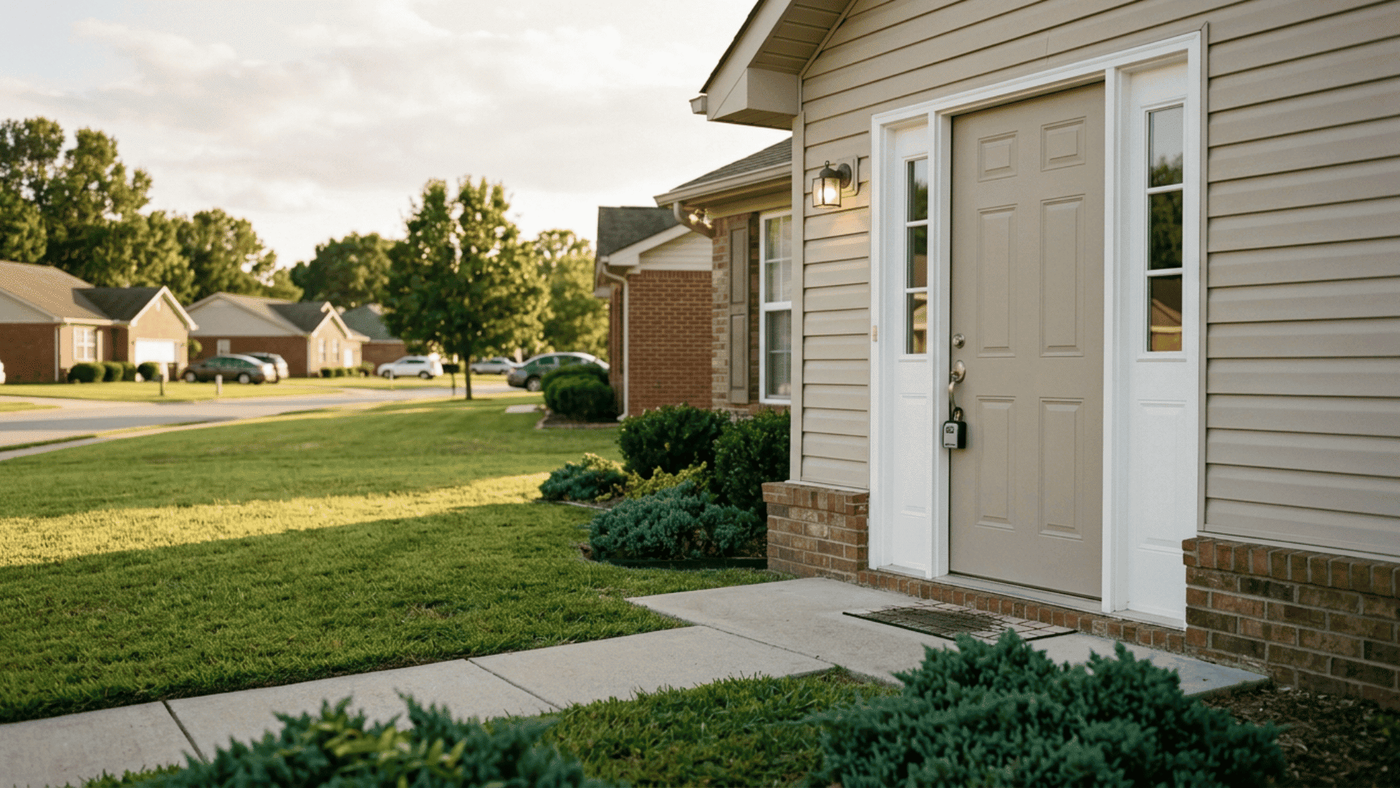
For a region already carrying more foreclosure volume than most of the country, every completed foreclosure becomes a property the moment the lender takes title. Locks need changing, the yard needs attention, and the home needs regular inspection until it sells, none of which happens on its own once a foreclosure closes. Servicers are already flagging REO management and property preservation as areas where capacity needs to scale alongside the rising numbers, and that pressure lands hardest in the states seeing the steepest increases.
What Rising REO Volume Means for Preservation Work
More completed foreclosures mean more vacant properties that need to be secured, maintained and documented to a standard that holds up for the lender or asset manager holding the asset. A property that sits unmaintained after foreclosure loses value every month, through freeze damage, code violations or simple neglect, and that cost is never recovered once the home finally sells. The properties that hold their value through this cycle are the ones that get secured fast and maintained consistently from the day the lender takes title, not the ones that wait for a buyer to show interest first.
That standard doesn't change whether foreclosure volume is trending up or down. It just gets harder to hold onto when the pipeline is moving this fast, which is exactly when consistent preservation work earns its keep.