
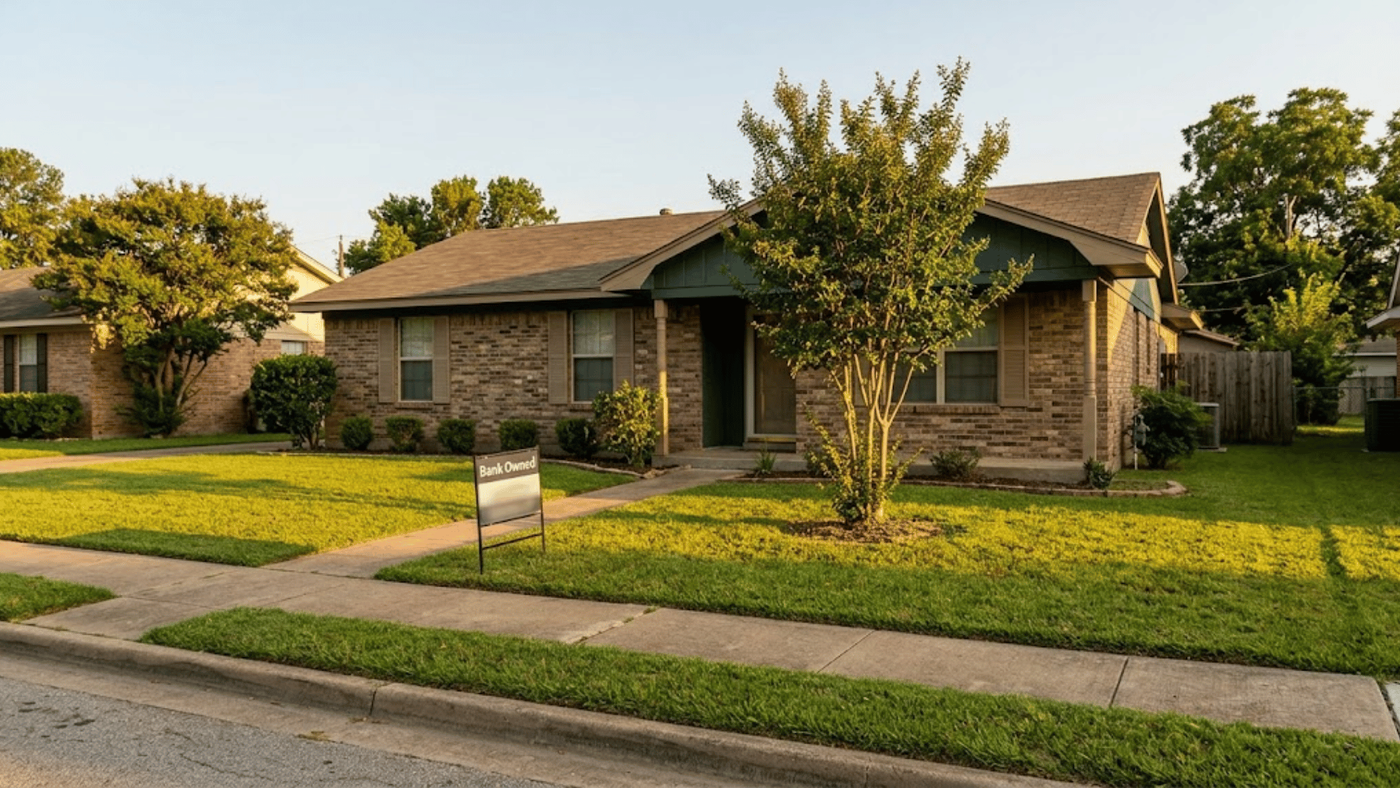
Nevada, South Carolina, and Florida posted the nation's worst foreclosure rates in July, and lenders completed 23 percent more repossessions nationwide than they did a year earlier. Foreclosure starts rose 10 percent annually to 26,648 properties, while completed foreclosures, meaning homes that convert to REO status, climbed to 4,764 nationwide. Florida and South Carolina both ranked among the top five states for foreclosure rate, alongside Nevada, Delaware, and Texas. North Carolina posted the third highest number of REOs of any state, behind only Texas and California.
The monthly numbers extend a pattern that has built through 2026. Foreclosure activity remains well below the levels seen during the housing crash, and the broader market is described as resilient rather than distressed. Still, the annual increases have become more consistent month over month, and completed foreclosures are rising faster than starts, which points to more properties finishing the pipeline and converting to bank ownership. That shift matters most in the states where the rate is already highest.
Southeast Concentration Keeps Building
South Carolina and Florida are not new additions to this list. Both states have appeared among the five worst foreclosure rates in the country for several months running, and North Carolina's REO count has stayed near the top of the national rankings alongside far larger states by population. A property that completes foreclosure in these three states does not sit in a vacuum. Someone has to secure it, winterize or ready it for the local climate, and keep it presentable while it moves toward resale or rental.
For property management companies and institutional owners with holdings across the Southeast, that means the volume of newly acquired REO properties needing field attention is not slowing down. A backlog of even a few dozen additional REOs across North Carolina, South Carolina, and Florida in a single month translates directly into more initial inspections, more lock changes and lawn cuts, and more coordination between a portfolio owner and the vendors doing the physical work on the ground.
Where Field Coordination Comes In
This is the exact gap that property maintenance coordination fills. Rather than a portfolio owner tracking down a different vendor for every new address in Charlotte, Columbia, or Jacksonville, a coordination partner already embedded in those markets can move on a freshly completed foreclosure the same week it transfers to REO status. Local vendor relationships matter more than volume here. A property that sits untouched for even a month in a Southeast summer accumulates yard growth, pest issues, and code exposure faster than the same property would in a cooler climate.
July's numbers are one month of data, but the direction has been consistent for a while now. The Southeast's REO pipeline is not thinning out, and neither is the maintenance work that comes with it. Portfolio owners with exposure to North Carolina, South Carolina, and Florida should expect that trend to continue into the fall rather than ease.