
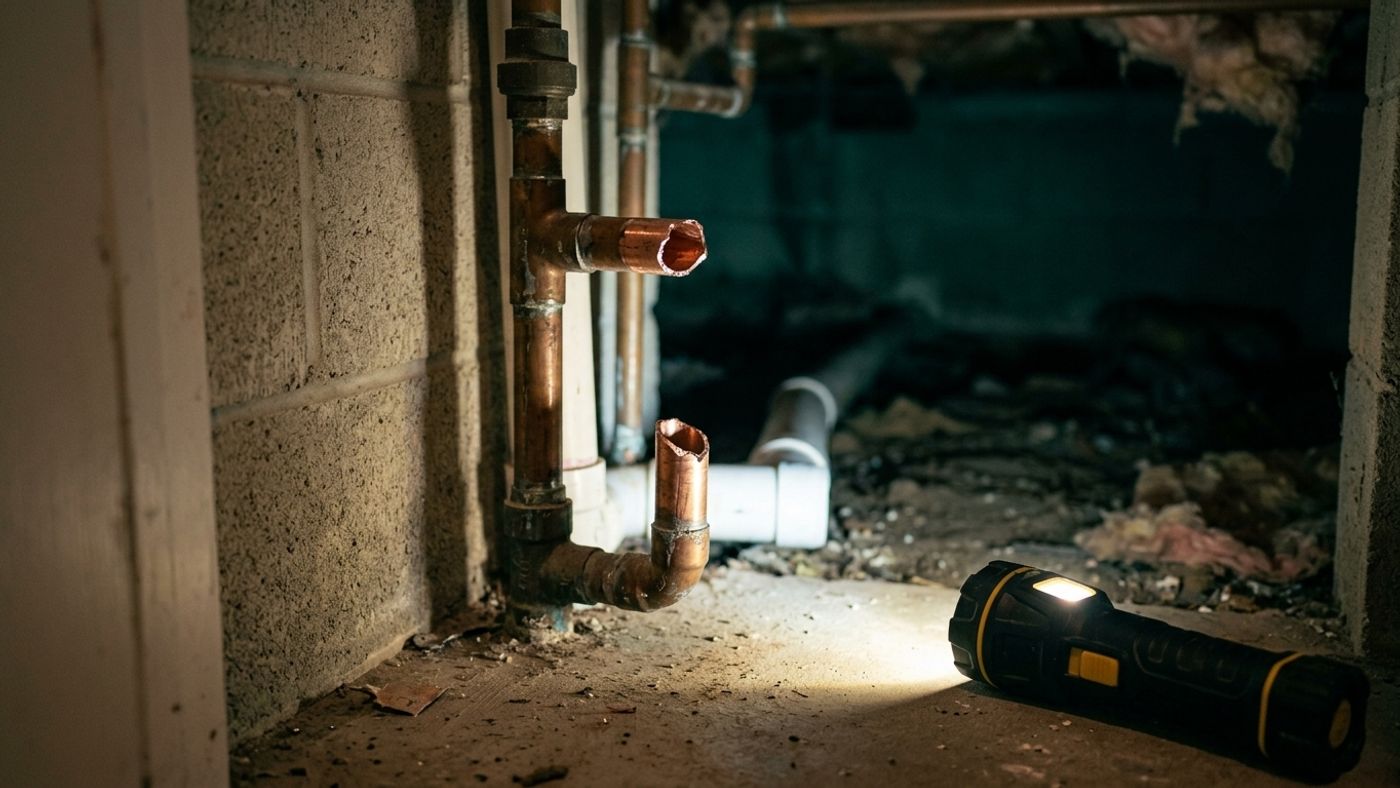
Copper prices have climbed more than 35 percent so far this year, pushing past $5.60 a pound after tariff announcements rattled the metals market, and reports of copper theft at vacant properties have been climbing right along with it. A serial theft operation in Las Cruces, New Mexico cost building owners more than $1.5 million in stolen HVAC equipment and copper components over the course of 2025, and police departments across multiple states are now reporting theft patterns concentrated almost entirely on unoccupied buildings.
Richmond, Virginia police logged 123 separate copper theft reports between January 2025 and June 2026, with officers noting thefts spike during summer months when air conditioning units, an easy source of accessible copper, are running constantly. In Southwest Virginia, police departments reported multiple copper theft cases this spring alone, several tied directly to vacant homes where pipes and wiring went missing before anyone noticed. The pattern holds nationally: analysts tracking commercial real estate note that vacant facilities are consistently among the most vulnerable targets as copper demand from data centers, renewable energy and rebuilding projects keeps prices elevated.
Why Vacant Properties Are the Easiest Target
Copper theft is not new, but the economics have shifted. At current prices, stripping the wiring, plumbing and HVAC components out of a single vacant home can net a thief several hundred dollars in scrap value, while leaving the owner with a repair bill that often runs into the thousands. A property with no one checking on it regularly can lose its copper days or weeks before the damage is discovered, by which point pipes have often been left open and water damage has compounded the loss.
Some cities have responded directly. St. Paul, Minnesota began requiring copper sellers to hold a state-issued license at the start of 2025, and the city's public works department has since reported wire theft complaints falling 34 percent year over year, the first meaningful drop after years of complaints doubling annually. Denver has pursued similar scrap-yard licensing rules. Those local ordinances help, but they do not eliminate the risk for a specific vacant property sitting unmonitored in a market without one.
Reducing the Window of Opportunity
The most effective defense against copper theft on vacant property is the same one that works against most vacant-property risks: reducing the amount of time a problem can sit undetected. Regular walk-throughs catch a stripped water heater or a cut electrical panel long before it turns into a mold problem or a collapsed ceiling. Securing crawl space access, often the easiest entry point for copper plumbing theft, closes off one of the more common routes thieves use.
None of this requires guessing which property will get targeted next. It requires treating every vacant property, not just the ones in visibly rough shape, as worth checking on consistently while copper prices stay this high.