
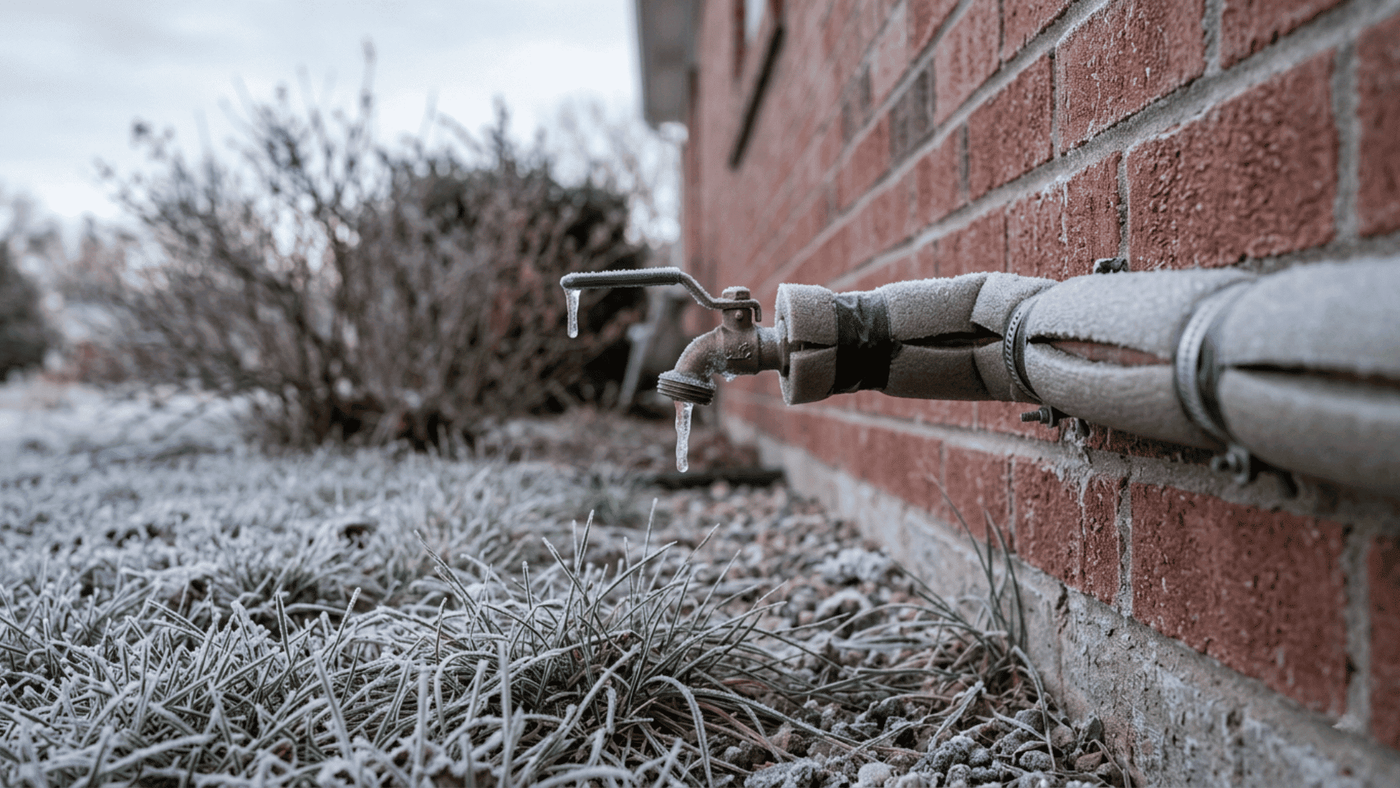
Water damage and freezing account for 22 to 29 percent of all property insurance claims filed in the United States each year, with the average claim running between 11,000 and 15,000 dollars, and vacant properties carry a disproportionate share of that risk. A single freezing night is enough to burst an unprotected pipe, and when nobody is on site to notice, pressurized water can run for hours before anyone finds it.
Pipes freeze once temperatures drop below 32 degrees, particularly in unheated basements, crawl spaces, exterior walls and cabinets, and the pipe itself rarely bursts where the ice forms. Pressure builds between the frozen blockage and the nearest open faucet until the line ruptures somewhere else entirely, which is why frozen pipe damage often turns up in places nobody expected to check. Insurers frequently scrutinize these claims, questioning whether reasonable heat was maintained and whether the loss was properly mitigated before it was discovered.
Why Vacant Properties Carry the Most Exposure
Most homeowners insurance policies include specific conditions for properties left unoccupied for extended periods, often requiring the owner to maintain heat, winterize the plumbing system, or shut off and drain the water supply entirely. A vacant home without one of those protections in place can complicate a claim even when the freeze event itself was sudden and unavoidable, because insurers look closely at whether the vacancy conditions in the policy were actually met.
The financial exposure compounds quickly once a pipe fails inside an empty building. Nobody hears the water running, nobody sees the ceiling stain forming, and by the time damage is discovered it has often spread into walls, subflooring and electrical systems well beyond the original leak point. Restoration costs on undiscovered losses regularly exceed the averages reported across the wider claims data, simply because the damage had days or weeks to spread before anyone found it.
Where Winterization Service Fits Into Property Preservation
Winterizing a vacant property, draining the plumbing system, shutting off the water supply, and protecting exposed lines, addresses the exact conditions insurers expect to see documented on a vacant property claim. It also protects the asset itself, since a frozen and burst pipe on an REO or long term vacant home does not just cost money to repair, it delays the sale and drags down the property's value while repairs are underway.
The properties that come through a cold snap undamaged are rarely lucky. They are the ones that were winterized and checked before the temperature dropped, not after. That distinction matters most on the homes where nobody is turning a key each morning, which is exactly the category vacant and REO properties fall into every single winter.