
Charlotte, North Carolina requires any home that gets boarded up to be registered with the city within 48 hours, but that's a narrow rule triggered by boarding, not a blanket registry for every vacant property. Unlike South Carolina's Columbia or a growing number of Florida counties, North Carolina's largest cities enforce vacant property maintenance through their Minimum Housing Codes, triggered by inspection or complaint rather than a citywide registration requirement.
In Charlotte, that means code enforcement runs on two tracks. Boarded up structures have a hard 48 hour registration deadline with penalties for missing it. Everything else falls under the Housing Code, which covers conditions like broken windows, inoperable smoke detectors, and structural, electrical, mechanical, or plumbing issues, and gets triggered by a 311 call, a resident petition signed by five neighbors, or a routine inspection, not a filing deadline tied to the day a home went vacant.
How Raleigh and Greensboro Handle It
Raleigh's Housing Code works on a similar inspection driven model. Inspectors evaluate a dwelling against the city's minimum standards, and after an inspection, the property owner and other interested parties are notified ahead of an administrative hearing held roughly 30 days later. Orders vary by severity, from repair timelines of 20 to 40 days for less serious violations up to vacate or demolition orders for buildings the city considers unsafe.
Greensboro's Housing Code, adopted to arrest decay and prevent blight citywide, gives inspectors authority to order a building repaired, vacated, or demolished, and if an owner doesn't comply, the city can discontinue water service to a vacant structure and post it as unfit for human habitation. None of these three cities maintains a general vacant property list the way Columbia or Florida's registry counties do. The record only exists once a specific complaint or inspection creates one.
What This Means for Owners of Vacant and REO Property in NC
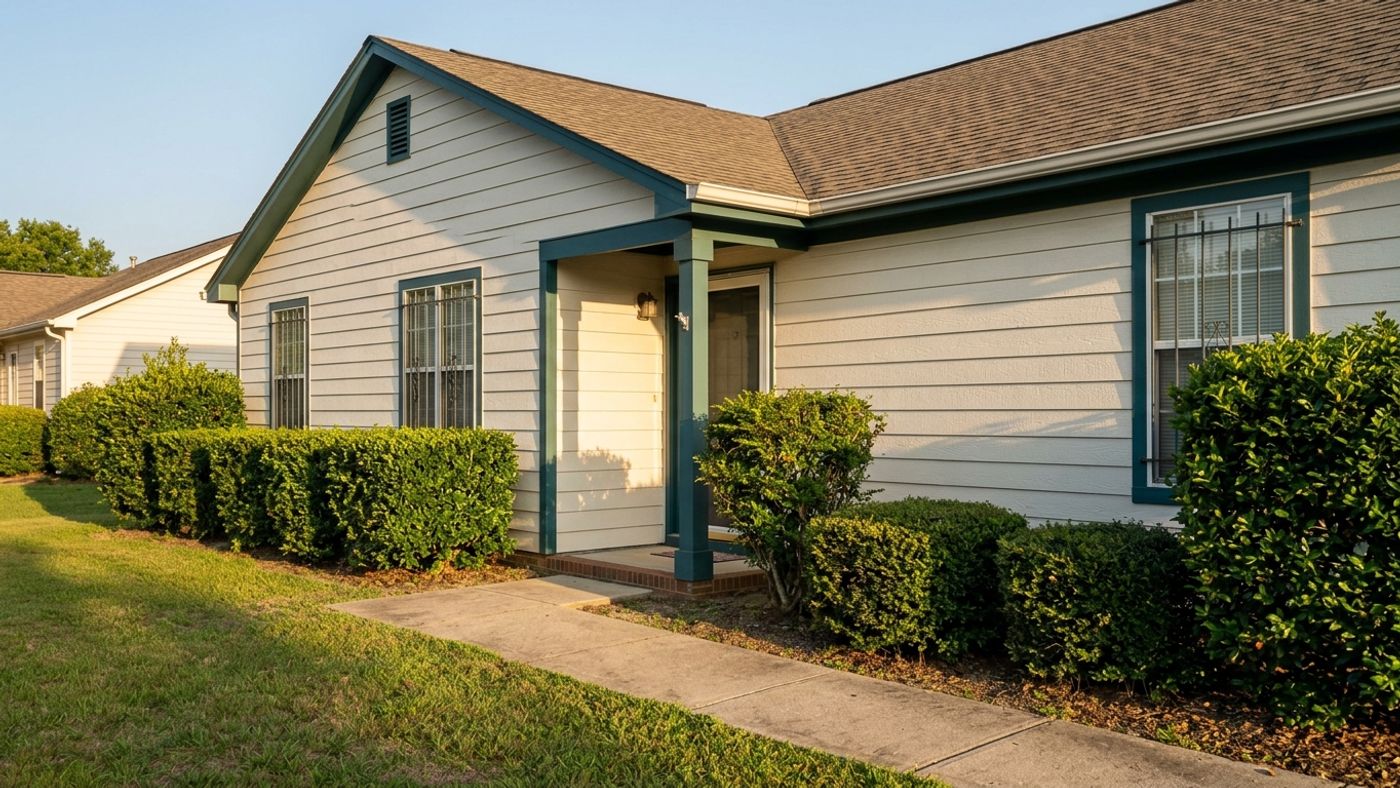
Without a registry pinging owners on a fixed clock, the burden shifts to whoever is responsible for the property to stay ahead of the conditions that trigger a complaint in the first place: an overgrown yard visible from the street, broken windows, or a boarded opening handled without notifying the city. Regular field visits function as the compliance mechanism North Carolina's complaint driven model assumes an owner will provide on their own, since nothing else is tracking the property's condition until a neighbor or inspector does.
North Carolina's cities aren't watching vacant homes on a calendar. They're watching for the same visible signs anyone driving down the street would notice, which means the property that never looks vacant is usually the one that never gets a citation. That puts more weight on routine field visits than in states running a formal registry, since there's no filing deadline creating a paper trail to fall back on if a complaint does come in. The properties that hold up under North Carolina's model are the ones getting checked on a schedule, not the ones waiting for an inspector to notice something is wrong.