
EPA recommends a licensed inspection of a household septic system about every three years and pumping when needed, generally every three to five years. That schedule runs from the last service, so in our reading a long vacancy does not reset it. A vacant house with no service record can be a bigger unknown than an occupied one. EPA says nearly 25 percent of U.S. households, more than 26 million homes, rely on septic. SCDES says approximately 30 percent of South Carolina households do.
First, confirm the house is on septic
Ask the local sewer authority whether public sewer serves the address. Then request the septic permit and any service records from the county or state before ordering work, because the records show the system type and last pump date.
What EPA says strains a system
EPA’s homeowner guidance lists these habits:
- Too much water at once. Running all the laundry in one day could potentially flood the drainfield.
- Leaks. A single leaky toilet can waste as much as 200 gallons of water per day.
- Fats, grease and solids poured down drains or run through a disposal.
- Vehicles on the drainfield. EPA says never to park or drive on it.
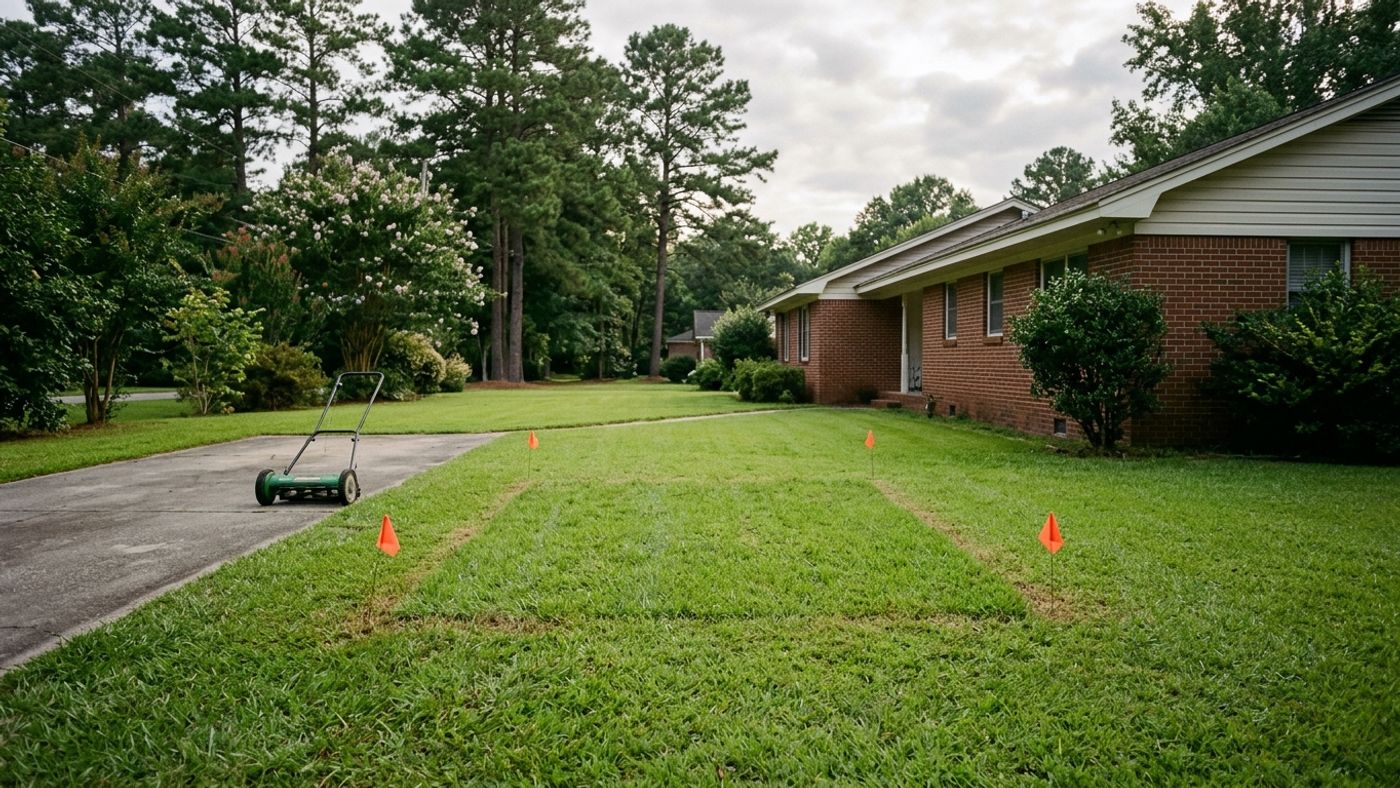
A vacant house can hit several at once: fixtures unused for months get run together, a running toilet goes unnoticed, and a lawn crew parks on the field. EPA has also said that many septic failures occur during the winter holiday season.
Who permits septic work in each state
- North Carolina: County environmental health programs handle permits. Wake County, for example, requires a permit for repairs to the tank or drain lines, and treats simple fixes such as swapping a distribution box or supply lines as maintenance. Confirm the rule with the county where the house sits.
- South Carolina: SCDES issues permits under Regulation 61-56. Anyone who installs, cleans or repairs septic systems, or hauls and disposes of sewage from them, must be licensed by SCDES.
- Florida: County health departments handle permitting and inspections, except in 16 counties where the Department of Environmental Protection has handled permitting since January 2, 2025. Florida Department of Health guidance (revised February 2015) says repairs or modifications require a construction permit and that only a state licensed septic tank contractor, a licensed plumber or a certified environmental health professional may inspect and assess a system.
What to check on a visit
- Do toilets and drains run normally?
- Is there sewage odor, soggy ground, or standing water over the drainfield? These are common warning signs, so have a licensed inspector confirm.
- Is anything parked or staged on the drainfield?
- Fix running toilets and slow leaks first.
- Leave tank lids closed. Opening them is a job for licensed professionals.
- Ask for the last pump date, and book a licensed inspection before reoccupancy or listing if there is no record.
The warning signs and lid advice are general practice, not quoted from the sources above.
What the cost gap looks like
In a 2012 release, EPA put an average pump out at about $250 and replacement of a conventional system at $5,000 to $10,000. Those figures are dated, so get current local quotes. The ratio is why a service record matters on a house that may sit before sale.
East West Maintenance coordinates inspections, plumbing and exterior upkeep through local vendors for property managers and asset holders with vacant homes across North Carolina, South Carolina and Florida.